In today’s hyper-connected, always-on world, stress has become an almost accepted part of daily life. From work deadlines and financial worries to digital overload and constant notifications, it’s no wonder so many people are searching for ways to find calm and balance. Interestingly, one of the biggest wellness trends to emerge in recent years is not new at all—it’s the ancient practice of using herbs to soothe the body and mind.
The revival of herbalism, especially for stress relief, taps into humanity’s long relationship with plants. More people are now turning to teas, tinctures, adaptogens, and herbal rituals to unwind. Here’s why herbalism is making a strong comeback, and how it might help you handle modern stress naturally.
Why Herbalism is Back in the Spotlight
For thousands of years, people across cultures relied on herbs to ease ailments and support emotional health. But with the rise of pharmaceuticals and a fast-paced lifestyle, many traditional practices faded into the background. Now, there’s a growing desire to return to natural methods.
-
Holistic appeal: Many people want to address stress in a way that supports the whole body, not just mask symptoms. Herbs often work gently and are part of a larger approach that includes lifestyle, diet, and mindfulness.
-
Skepticism of chemicals: Concerns over long-term medication use and side effects have some looking for alternatives.
-
Accessibility: With online resources and herbal shops everywhere, it’s easier than ever to learn about and try herbal remedies.
This doesn’t mean herbs replace professional care, but they can be a helpful complement to other wellness practices.
Popular Herbs for Calming Stress
Certain herbs are celebrated for their calming, grounding, or adaptogenic properties—meaning they help the body adapt to stress. Here are some that have gained renewed popularity:
-
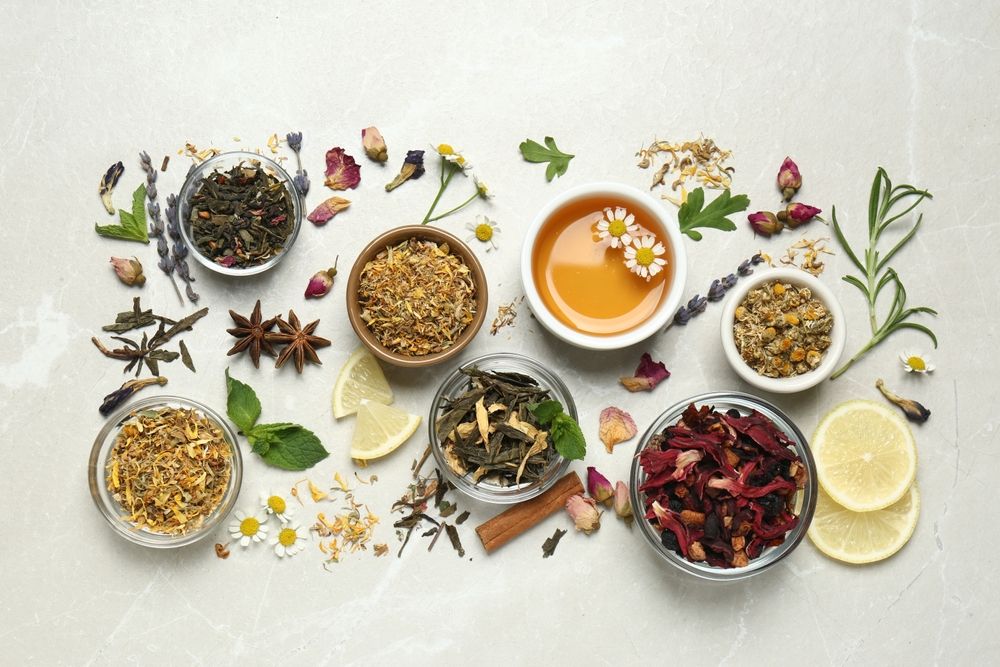
Chamomile: Known for its gentle, soothing effects, chamomile tea is a classic for winding down before bed.
-
Lavender: Used in teas, tinctures, and essential oils, lavender helps relax both mind and body.
-
Ashwagandha: An adaptogen from Ayurvedic tradition, ashwagandha is thought to help regulate cortisol levels and build resilience to stress.
-
Lemon balm: Often enjoyed as a tea, lemon balm has a bright, slightly minty flavor and is traditionally used to ease tension.
-
Holy basil (Tulsi): Revered in India, this herb is another adaptogen that supports balance and calm.
-
Passionflower: Helpful for racing thoughts and restlessness, often used to promote better sleep.
Each herb works a bit differently, so experimenting mindfully (and consulting a knowledgeable practitioner) helps you find what suits you best.
Teas and Tinctures: Old Methods Meet Modern Lives
One of the simplest ways people incorporate herbs is through teas. Brewing a cup of chamomile, lemon balm, or a calming blend is not just about the herbs themselves—it’s also about pausing for a ritual. Taking ten minutes to slow down, inhale the aroma, and sip mindfully is a powerful act of self-care.
Tinctures, concentrated liquid extracts often taken in a small glass of water, have also become popular. They’re portable and easy to add to a daily routine, making them appealing for busy lives.
The Rise of Adaptogens for Stress Resilience
Adaptogens are herbs that help your body adapt to stress by supporting the adrenal system and balancing hormones over time. Unlike caffeine or quick-fix stimulants, adaptogens work more subtly.
-
Ashwagandha and holy basil are top choices for reducing feelings of overwhelm.
-
Rhodiola is another adaptogen often used to boost stamina and focus under stress.
-
Reishi mushrooms, while not an herb in the traditional sense, also fall into this category and are increasingly found in teas and powders.
Regular use of adaptogens is thought to help smooth out stress responses, though they work best as part of a consistent routine.
Aromatherapy and Herbal Baths for Daily De-Stressing
You don’t have to ingest herbs to benefit from them.
-
Lavender essential oil is famous for easing tension—try adding a few drops to a diffuser or onto your pillow.
-
Herbal baths using sachets of chamomile, rosemary, or rose petals let your skin absorb soothing compounds while you inhale calming scents.
These approaches combine physical relaxation with mental unwinding, offering a multi-sensory way to combat daily stress.
DIY Herbal Practices at Home
Exploring herbalism doesn’t have to be complicated or expensive.
-
Try making a simple tea blend with chamomile, lavender, and lemon balm.
-
Create a relaxing bedtime ritual by massaging your feet with an infused oil—such as almond oil with a few drops of calming essential oils.
-
Make your own herb sachets to tuck into your pillowcase.
These small practices are reminders to slow down and connect with yourself in gentle, natural ways.
Things to Keep in Mind When Using Herbs
While herbs are natural, they’re also powerful—and not risk-free.
-
If you’re pregnant, nursing, or taking medications (especially for mood, blood pressure, or thyroid), consult a healthcare provider before adding new herbs.
-
Buy from reputable sources. Quality matters; cheap bulk herbs or oils might be adulterated or less effective.
-
Start small. Try one herb at a time so you can notice how your body responds.
Respecting herbs as active agents—rather than just harmless plants—keeps your wellness journey both safe and effective.
Why This Trend Makes Sense Right Now
Amid the constant ping of smartphones and the pressure to be endlessly productive, many people crave a slower, more grounded way of caring for themselves. Herbalism taps into something timeless: the comforting sense that nature can provide what we need.
Herbs encourage us to engage in rituals that naturally reduce stress—brewing tea, inhaling aromatic steam, or sipping a warm tonic instead of doom-scrolling. In a world that often feels overwhelming, these small moments of connection are more valuable than ever.
The revival of herbalism isn’t just a nostalgic nod to the past. It’s a very modern solution to today’s stress. Whether it’s a nightly chamomile tea, experimenting with adaptogens, or simply keeping a lavender sachet by your bed, these simple, plant-based practices invite us to slow down, breathe deeper, and support our bodies naturally.
Best of all, you don’t need to overhaul your life to enjoy the benefits. Start small. Choose one herb, create one new calming ritual, and see how it feels. Sometimes, the gentlest approaches make the biggest difference over time.