Modern life often requires long hours of sitting, whether at a desk job, in front of a computer, or commuting. While convenient, extended sitting has been linked to health issues such as poor posture, weight gain, and increased risk of heart disease. The good news is that even if your daily routine keeps you glued to a chair, you can take practical steps to stay active and support your health. With small adjustments and consistent habits, it’s possible to counteract the negative effects of a sedentary lifestyle.
Understand the Risks of Prolonged Sitting
Before diving into solutions, it helps to understand why sitting too much is a problem. Extended sedentary time reduces calorie burning, weakens muscles, and can slow metabolism. It also puts pressure on the spine and hips, contributing to back pain and stiffness. On a larger scale, research has linked long hours of sitting to higher risks of cardiovascular disease, type 2 diabetes, and obesity. Awareness of these risks highlights why finding ways to stay active during the day is essential.
Break Up Sitting Time With Movement
The simplest and most effective strategy is to avoid long, uninterrupted periods of sitting. Experts recommend standing or moving every 30–60 minutes. You don’t need to take long breaks — even standing for two minutes or doing a quick lap around the office makes a difference. Set reminders on your phone, smartwatch, or computer to nudge you to move throughout the day.
Stretch at Your Desk
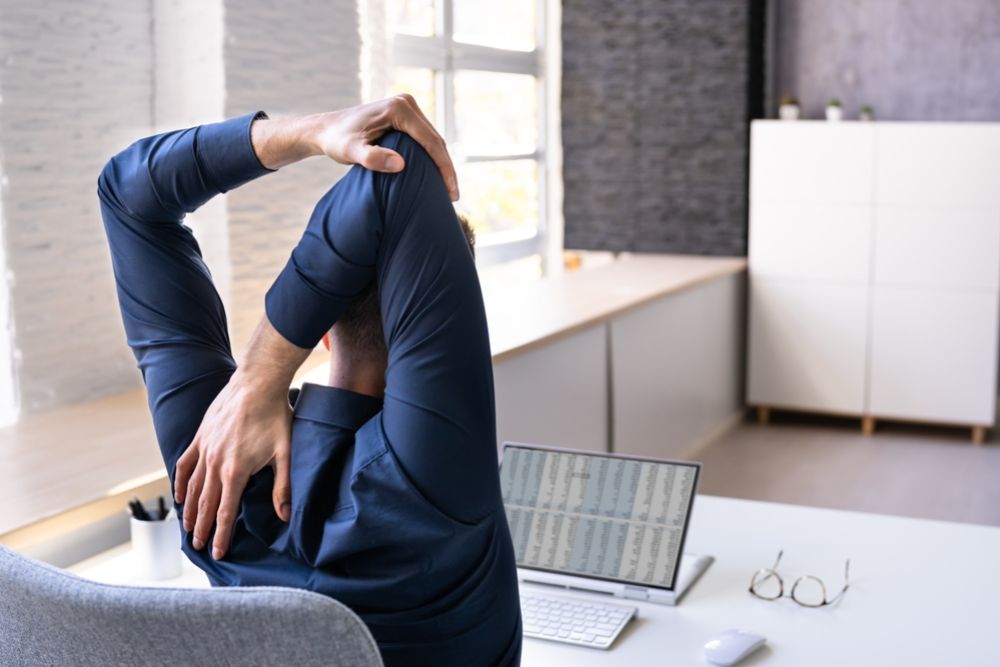
Stretching combats stiffness and improves circulation. Simple desk stretches can be done without drawing attention:
-
Neck rolls and shoulder shrugs to relieve tension.
-
Seated spinal twists to loosen the back.
-
Wrist and forearm stretches to reduce strain from typing.
-
Standing hamstring or calf stretches when you step away from your desk.
Incorporating stretches regularly helps reduce discomfort and keeps your body limber.
Try Desk-Friendly Exercises
You don’t need a gym to sneak in exercise. Many desk-friendly moves fit seamlessly into your workday:
-
Seated leg lifts or ankle circles under your desk.
-
Glute squeezes while sitting.
-
Standing calf raises when on the phone.
-
Wall sits or chair squats during short breaks.
These micro-workouts add up over the course of the day, improving strength and circulation without requiring extra time.
Use a Standing Desk or Alternatives
Standing desks and adjustable workstations are increasingly popular because they reduce sitting time. If a full standing desk isn’t available, improvise by using a high countertop or stacking items to raise your laptop temporarily. Even alternating between sitting and standing for part of the day improves posture and energy. Pairing this with an anti-fatigue mat can make standing more comfortable.
Walk Whenever Possible
Walking is one of the easiest ways to stay active, even with a busy schedule. Look for opportunities to add steps:
-
Take the stairs instead of the elevator.
-
Park farther away from entrances.
-
Walk to a coworker’s desk instead of sending an email.
-
Use part of your lunch break for a quick walk outside.
Over time, these small choices increase your daily activity levels and provide mental refreshment.
Incorporate Active Commuting
If possible, make your commute part of your activity routine. Walking or biking to work is ideal, but even partial solutions help. Try parking further away, getting off public transit a stop earlier, or walking during part of your commute. These habits not only add exercise but also reduce stress before and after the workday.
Schedule Exercise Like a Meeting
When life is busy, intentional scheduling ensures physical activity doesn’t get pushed aside. Treat workouts like non-negotiable appointments. Whether it’s a 20-minute morning workout, an evening yoga class, or a lunchtime gym session, blocking it off in your calendar makes you more likely to commit. Consistency matters more than intensity when combatting the effects of prolonged sitting.
Stay Hydrated
Drinking water may not seem like an exercise strategy, but it indirectly helps keep you active. Staying hydrated encourages more frequent bathroom breaks, which forces you to stand up and move regularly. Keeping a refillable water bottle on your desk also promotes mindful breaks from sitting.
Engage Your Core While Sitting
Improving posture can make a big difference during long hours of sitting. Sit with your back straight, shoulders relaxed, and feet flat on the floor. Engage your core muscles periodically to strengthen them. Using a stability ball for part of the day can activate muscles more than a standard chair, though it should be alternated with regular seating for safety.
Use Technology to Stay Motivated
Fitness trackers, smartwatches, and apps can remind you to stand, record your steps, and set activity goals. Many devices also track heart rate and encourage small bursts of movement throughout the day. Seeing your progress visually can motivate you to reach daily step goals and stay consistent.
Make Breaks Active
Instead of scrolling through your phone during breaks, use the time for short bursts of movement. A few minutes of stretching, brisk walking, or even climbing stairs re-energizes you more effectively than sitting still. Active breaks improve focus, productivity, and overall health.
Involve Family and Friends
Staying active doesn’t have to be a solo mission. Invite coworkers for a lunchtime walk, play active games with your kids after work, or take evening strolls with your partner. Making movement social not only helps you stay consistent but also turns it into an enjoyable part of your day.
Sitting all day may be part of modern work life, but it doesn’t have to mean sacrificing your health. By breaking up sitting time, incorporating desk exercises, walking more, and scheduling intentional workouts, you can stay active even with a sedentary job. Simple choices like taking the stairs, using a standing desk, or stretching regularly add up to big benefits over time. The key is consistency — building small, active habits into your daily routine will keep your body strong, your energy high, and your mind clear.