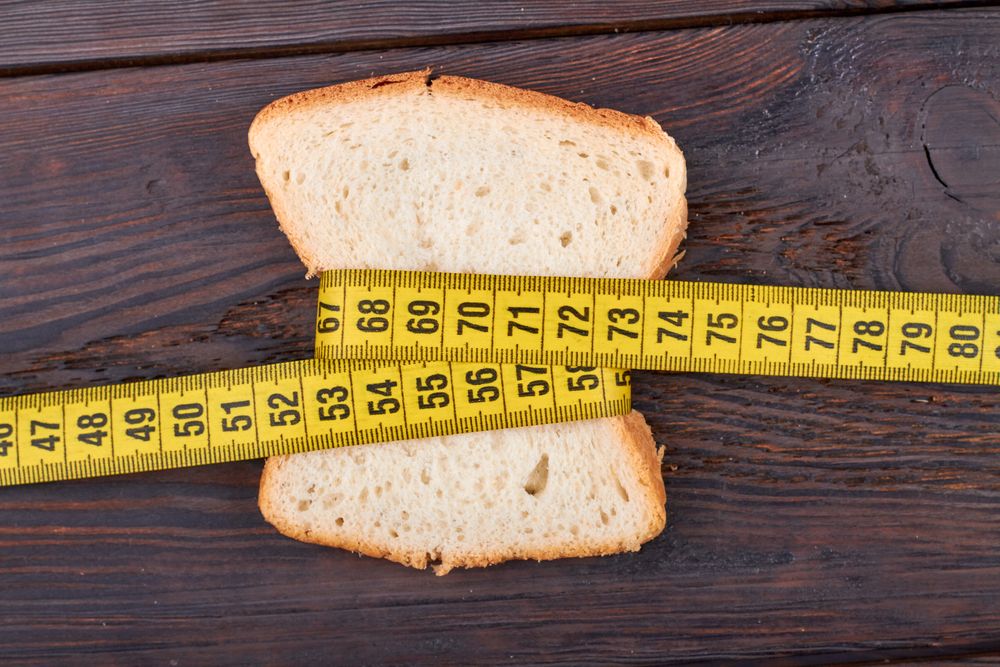
Carbs have been blamed for weight gain for years. Diet trends come and go, but low-carb, no-carb, and keto-style programs constantly resurface, promising fast results. With so many voices labeling carbs as the enemy, it’s easy to feel guilty every time you reach for bread, rice, pasta, or fruit. But here’s the truth most fad diets leave out: you can absolutely lose weight without giving up carbs.
Carbohydrates are your body’s preferred source of energy. They fuel your brain, support physical movement, regulate digestion, and help stabilize your mood. Cutting them out completely may lead to fast initial weight loss, but it often comes at the cost of energy crashes, cravings, irritability, and ultimately regaining the weight you lost.
The real key to weight loss isn’t removing carbs—it’s choosing the right types of carbs and eating them in ways that support your metabolism, hunger levels, and activity. When you understand how carbs work, you can enjoy them daily and still reach your goals without feeling restricted.
Understanding the Role of Carbs in Your Body
Carbohydrates provide the glucose your body uses for energy. Your muscles, organs, and brain rely on glucose to function properly. Without enough carbs:
-
Energy levels drop
-
Cravings intensify
-
Mood becomes unstable
-
Workouts feel harder
-
Concentration becomes difficult
Completely eliminating carbs forces the body into a survival mode where it produces energy from fat and protein—but this isn’t sustainable for many people. You don’t need to starve your body of what it naturally uses. The goal is to choose carbs that nourish you, not spike your blood sugar and leave you hungrier than before.
Not All Carbs Are Equal—Choose Smart Carbs
The biggest misconception about carbs is treating them all the same. A bowl of oatmeal and a stack of sugary pastries both contain carbs, but they act very differently in the body.
Healthy, weight-loss-friendly carbs include:
-
Vegetables
-
Fruits
-
Whole grains
-
Beans and legumes
-
Sweet potatoes and potatoes
-
Lentils
-
Oats
-
Quinoa
These foods digest more slowly, provide steady energy, and keep you feeling full. They also provide fiber, vitamins, minerals, and antioxidants—nutrients that help regulate weight naturally.
Carbs to limit—not eliminate—include:
-
Sugary desserts
-
Sweetened beverages
-
Candy
-
White bread
-
Processed snacks
-
Refined cereals
These raise blood sugar quickly, trigger cravings, and often lead to overeating. But you can still enjoy them in moderation as long as the majority of your carbs come from whole, nutrient-dense sources.
Weight Loss Happens in a Calorie Deficit—Not a Carb Deficit
No matter the diet—keto, low-carb, high-carb, Mediterranean, plant-based—weight loss always comes down to the same principle: you burn more energy than you consume.
Carb elimination works for some people not because carbs themselves cause fat gain, but because removing an entire food category often makes it easier to reduce calories unintentionally.
The good news? You don’t need to cut out carbs to reach a calorie deficit. You can create one by:
-
Eating balanced meals
-
Reducing portion sizes mindfully
-
Increasing movement
-
Choosing filling foods like vegetables, fiber-rich carbs, lean protein, and healthy fats
This way, your body gets the nutrients it needs without feeling deprived.
Pair Carbs With Protein and Healthy Fats to Feel Fuller
One of the easiest ways to lose weight while keeping carbs in your diet is to balance them with nutrients that keep you fuller longer.
Pairing carbs with protein and healthy fats helps:
-
Slow digestion
-
Stabilize blood sugar
-
Reduce cravings
-
Prevent overeating
-
Maintain steady energy
Example combinations include:
-
Oatmeal + nuts + berries
-
Brown rice + chicken + vegetables
-
Whole grain toast + eggs + avocado
-
Fruit + Greek yogurt
-
Sweet potato + beans
Balanced meals help your body use carbs effectively, keeping hunger under control.
Portion Control Beats Carb Elimination
You don’t need to cut carbs—you just need to make space for them in reasonable amounts. Portion control allows you to enjoy your favorite foods without overshooting your calorie needs.
Simple ways to balance your portions:
-
Fill half your plate with vegetables
-
Fill one quarter with healthy carbs
-
Fill one quarter with lean protein
-
Add healthy fats sparingly
This structure helps you enjoy carbs in a way that supports weight loss while still satisfying cravings.
Fiber Is Your Secret Weight-Loss Weapon
Fiber-rich carbs help the body feel full longer, reduce appetite, and maintain a healthy digestive system. High-fiber carbs digest slowly, helping prevent energy crashes and overeating.
Fiber-rich foods include:
-
Beans
-
Whole grains
-
Chickpeas
-
Lentils
-
Vegetables
-
Fruit (especially berries, pears, apples, oranges)
When you prioritize fiber, carbs actually support weight loss instead of hindering it.
Carbs Fuel Your Workouts (Helping You Burn More Fat)
Working out with no carbs can feel like running on an empty battery. Carbs provide the energy needed for:
-
Strength training
-
Cardio workouts
-
High-intensity intervals
-
Hiking
-
Cycling
-
Long walks
The more energy you have, the more effectively you can exercise—and the more fat you burn. Carbs are one of the best tools you have for powering your workouts and improving long-term weight loss results.
Enjoy Carbs Earlier in the Day for Better Energy
While timing doesn’t drastically change weight loss, eating carbs earlier can help:
-
Stabilize hunger
-
Boost energy in the morning
-
Support afternoon activity
-
Reduce nighttime snacking
Breakfast and lunch are great times for whole grains, fruit, or starchy vegetables. Dinner can still include carbs—just in smaller portions if you’re less active in the evening.
Don’t Fear Fruit—It Supports Weight Loss
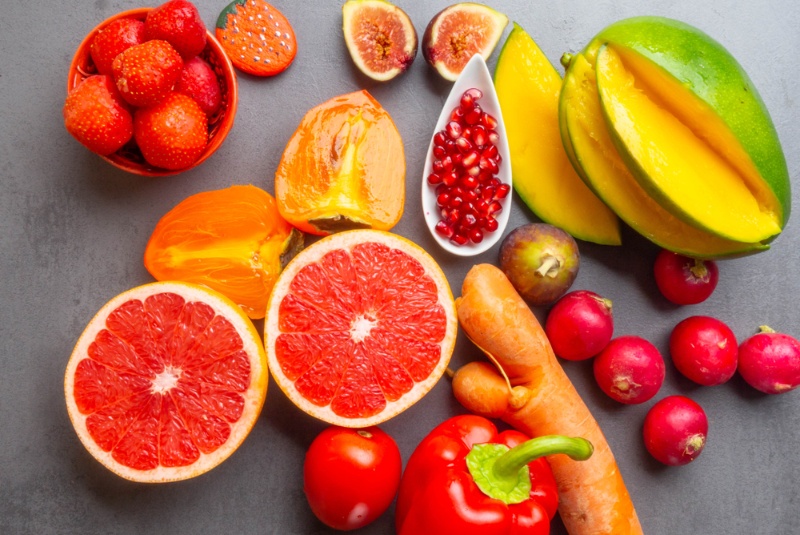
Fruit gets an unfair reputation in low-carb circles, but it’s packed with fiber, vitamins, and antioxidants. The natural sugars in fruit digest more slowly thanks to fiber, unlike processed sweets.
Fruits that support weight loss include:
-
Berries
-
Apples
-
Pears
-
Grapes
-
Oranges
-
Kiwi
-
Melons
Fruit is far more satisfying and nutritious than refined sugary snacks.
Focus on Sustainable Habits Over Restrictive Rules
Any diet that cuts out entire food groups becomes hard to sustain. Sustainability matters far more than strict limitations. If your eating plan feels impossible to follow long-term, it’s not the right plan for you.
By keeping carbs in your diet, you:
-
Avoid intense cravings
-
Maintain better energy
-
Feel more satisfied
-
Build habits you can stick with
-
Prevent binge-eating cycles
The most successful weight-loss plans fit your lifestyle—not the other way around.
Yes—you can lose weight without giving up carbs. Carbs are not the enemy. What matters is eating the right types of carbs in the right combinations, managing portions, staying active, and building sustainable habits. By prioritizing whole foods, fiber-rich options, and balanced meals, you can enjoy carbs daily while still seeing steady, healthy weight-loss results.
Instead of fearing carbs, learn to work with them. Your body—and your long-term progress—will thank you.