When it comes to losing weight, everyone wants results—and they want them quickly. Fast weight loss promises instant gratification, while slow and steady progress is often said to be more sustainable. But which method actually works better for your body and long-term health? The answer depends on your goals, mindset, and how your body responds to change. Understanding the pros and cons of both approaches can help you find a strategy that works for you and lasts.
The Case for Losing Weight Slowly
Losing weight gradually—about one to two pounds per week—is the most recommended and research-supported approach. Slow weight loss typically happens through small, consistent lifestyle adjustments such as portion control, regular exercise, and healthier food choices.
1. It’s Easier to Maintain Muscle Mass
When you lose weight too quickly, your body often breaks down muscle along with fat. Slow weight loss allows you to preserve lean muscle tissue, which helps maintain your metabolism. This means your body continues burning calories efficiently even as you shed pounds.
2. You’re More Likely to Keep the Weight Off
Studies consistently show that people who lose weight gradually are far more successful at maintaining it long-term. Slow progress helps you build sustainable habits—like meal planning, mindful eating, and regular workouts—that become part of your routine instead of a temporary fix.
3. Your Body Adjusts More Comfortably
Rapid weight loss can shock your system. When you lose weight slowly, your body has time to adapt to changes in diet, activity, and metabolism. This helps avoid the rebound effect where the body regains weight quickly after an extreme diet ends.
4. There’s Less Risk of Nutrient Deficiency
Crash diets often cut calories so drastically that it’s hard to meet nutritional needs. Gradual loss allows for balanced eating, making it easier to get enough protein, vitamins, and minerals without feeling deprived.
5. It Promotes a Healthier Relationship with Food
Slow progress encourages mindfulness. Instead of labeling foods as “good” or “bad,” you learn to balance treats with nutritious choices, reducing the guilt and restriction that can lead to binge eating.
The Appeal of Losing Weight Fast
Fast weight loss has its place—especially for people looking to kickstart motivation or address certain medical concerns under professional guidance. When done safely, short-term rapid loss can provide a psychological boost that fuels continued effort.
1. Motivation Through Quick Results
Seeing results quickly can be highly motivating. It gives you proof that your efforts are working, which can inspire greater discipline and consistency in the early stages of your journey.
2. Potential Health Benefits in Certain Cases
For people with obesity-related conditions—like type 2 diabetes or hypertension—losing weight quickly under medical supervision can yield immediate improvements in blood sugar, blood pressure, and overall energy levels.
3. Simplicity and Focus
Structured programs with clear rules and calorie restrictions can provide short-term focus. For some, this structure helps eliminate decision fatigue and keeps them on track in the beginning.
However, while these benefits can be encouraging, they come with important caveats. Rapid weight loss often leads to water loss rather than fat loss, and extreme calorie restriction can cause fatigue, irritability, and nutrient deficiencies if not managed carefully.
The Downside of Rapid Weight Loss
Fast results can feel rewarding—but they often come at a cost.
1. Muscle Loss and Slower Metabolism
When calories are cut drastically, the body burns not just fat but also muscle tissue. Since muscle drives metabolism, losing it can make it harder to keep weight off long-term.
2. Increased Risk of Rebound Weight Gain
Quick fixes rarely build sustainable habits. Once the diet ends, old eating patterns return, leading to rapid regain—sometimes even beyond the original weight.
3. Hormonal and Energy Fluctuations
Rapid loss can throw your hormones off balance. You may experience mood swings, fatigue, sleep disturbances, or cravings as your body struggles to stabilize.
4. Possible Health Risks
Extreme diets can lead to gallstones, dehydration, and deficiencies in key nutrients. The body needs time and nourishment to safely adjust to weight loss.
What Science Says
Research tends to favor the slow and steady approach. Studies show that gradual, consistent weight loss results in better body composition, improved metabolic health, and higher long-term maintenance rates.
That said, short-term rapid weight loss can serve as an effective jumpstart if done responsibly—especially under medical supervision. For example, very low-calorie diets or meal-replacement plans can be beneficial for certain medical conditions when closely monitored. The key difference is supervision and structure, not the speed alone.
Ultimately, weight loss that feels realistic and sustainable is what works best for the long run.
How to Find the Right Balance
You don’t have to choose between extremes. The most effective approach combines the motivation of quick wins with the sustainability of gradual change.
1. Start with Realistic Goals
Set a target that’s both motivating and attainable—like losing 5 to 10% of your body weight over several months. This moderate pace delivers visible results while minimizing risks.
2. Focus on Nutrition, Not Just Calories
Cutting calories drastically might shrink the number on the scale, but nutrient-rich foods are what truly improve energy, mood, and body composition. Prioritize whole grains, lean proteins, healthy fats, and plenty of fruits and vegetables.
3. Incorporate Strength Training
Exercise isn’t just for burning calories—it’s essential for maintaining muscle and boosting metabolism. Aim for two to three strength-training sessions per week alongside moderate cardio.
4. Track Progress Beyond the Scale
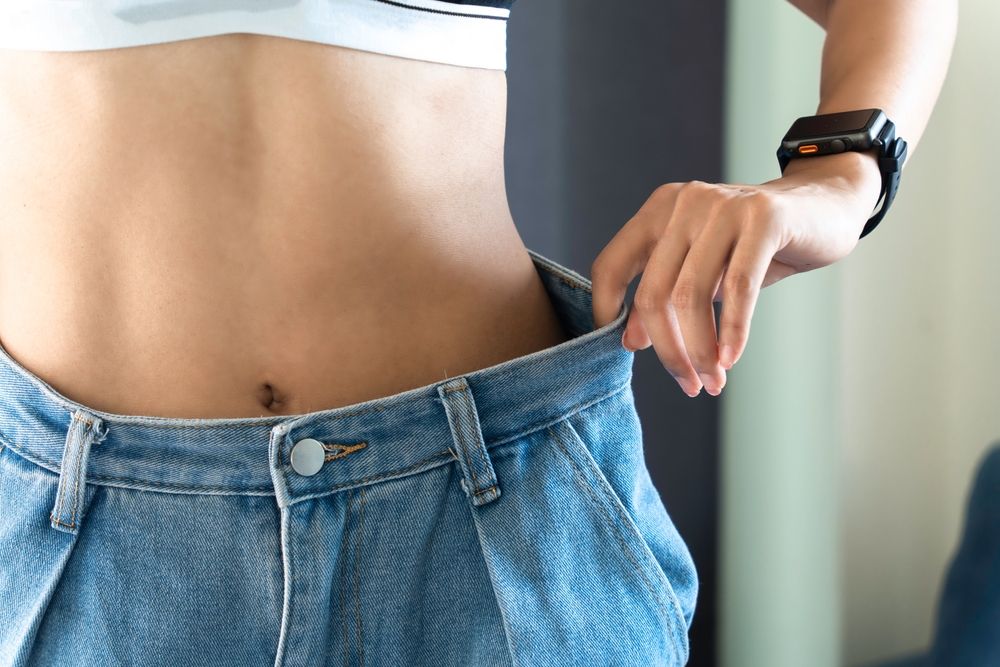
Weight isn’t the only measure of success. Pay attention to how your clothes fit, your energy levels, and your confidence. These non-scale victories are often better indicators of sustainable change.
5. Plan for Maintenance Early
Whatever method you choose, think beyond the goal weight. Maintenance strategies—like meal prep, balanced eating, and consistent activity—ensure your results stick around long after the initial loss.
When Faster Weight Loss May Be Appropriate
While slow and steady works for most people, there are situations where rapid loss might be appropriate.
-
Medical necessity: People with obesity-related health risks may need more aggressive short-term plans under medical supervision.
-
Motivational boost: A short-term phase of strict discipline can build momentum, as long as it transitions into a more balanced routine afterward.
-
Structured programs: Clinically designed meal-replacement or medically monitored diets can be safe when handled by professionals.
The key is not to mistake short-term progress for a long-term solution. Once the initial phase ends, the focus must shift to maintenance and lifestyle changes.
A Healthy Perspective
Weight loss, at its core, isn’t just about numbers—it’s about improving overall health and quality of life. The best plan is the one you can stick to, enjoy, and sustain without constant stress or restriction. Fast results might feel exciting, but consistency and patience ultimately deliver the transformation that lasts.
Instead of asking how fast you can lose weight, ask how you can make your new habits permanent. The real success isn’t in losing the weight—it’s in keeping it off and feeling good along the way.
So, which is better—losing weight slowly or fast? The short answer: slow and steady wins for most people, but quick results can play a useful role when managed safely and intentionally. It’s not about speed; it’s about sustainability.
True transformation happens when you combine knowledge, patience, and consistency. The best approach is one that fits your life, supports your health, and empowers you to keep going long after the excitement of the first few pounds fades.
Weight loss done right isn’t a race—it’s a lifelong investment in yourself.