You’ve counted calories, logged your meals, maybe even doubled your workouts—and yet, the scale refuses to budge. It’s one of the most frustrating experiences in health and fitness. You’re doing everything right, so why aren’t the results showing up?
The truth is, weight loss isn’t just about willpower or the perfect diet. It’s about understanding how your body actually works—how hormones, habits, and even mindset influence progress. If your results have stalled, chances are the reason isn’t what you think. Here’s what might really be holding you back.
You’re Eating “Healthy” Foods—but Too Much of Them
Eating nutrient-dense foods is great, but portion size still matters—even with the healthiest ingredients. Nuts, avocado, olive oil, protein bars, and smoothies are packed with nutrients and calories.
-
A handful of nuts can easily exceed 200 calories.
-
A large smoothie might contain the same sugar as a soda.
-
Cooking oils add hundreds of calories without much volume.
The fix: Track portions for a week. Use a food scale or measuring cups to see how your real servings compare to what you think they are. You don’t have to count calories forever—just long enough to recalibrate your perspective.
You’re Overestimating Exercise and Underestimating Rest
Exercise is crucial for health, but many people overestimate how much it contributes to fat loss. A 30-minute run might burn 300 calories, but a few handfuls of snacks can undo that quickly.
Meanwhile, recovery and rest are just as important. Chronic stress and lack of sleep raise cortisol, a hormone that encourages fat storage—especially around the midsection.
Try this instead:
-
Prioritize strength training three to four times a week. Muscle boosts metabolism even at rest.
-
Incorporate active recovery—walks, stretching, yoga.
-
Aim for 7–8 hours of sleep nightly to balance hunger hormones.
Your body doesn’t just burn calories at the gym—it does so all day, depending on how well it’s fueled and rested.
Your Diet Is Too Restrictive
Ironically, eating too little can also make weight loss harder. Severe calorie restriction slows metabolism, increases cravings, and causes your body to conserve energy.
When you cut too much:
-
Your body thinks it’s starving and reduces calorie burn.
-
You lose muscle mass, not just fat.
-
You experience fatigue and mood swings that make consistency impossible.
Instead of crash diets, aim for a moderate deficit—about 300–500 calories below your maintenance level. Combine that with balanced meals rich in protein, fiber, and healthy fats. Slow, steady progress is more sustainable than rapid loss followed by rebound gain.
You’re Drinking Your Calories
Drinks are the sneakiest calorie culprits. Coffee with cream, fruit juices, smoothies, alcohol, and flavored waters can all add up without making you feel full.
A few small swaps can make a major difference:
-
Choose black coffee or unsweetened tea instead of sugary drinks.
-
Replace juices with whole fruits—you’ll get fiber and fullness.
-
Limit alcohol to special occasions and alternate with water.
Even cutting out two sweetened drinks a day can save 300–400 calories—enough to restart progress.
You’re Too Sedentary Outside the Gym
You may crush your morning workout but still spend most of the day sitting. Modern lifestyles keep us glued to chairs and screens, dramatically lowering non-exercise movement, known as NEAT (Non-Exercise Activity Thermogenesis).
NEAT includes every calorie burned outside formal exercise—walking, cleaning, standing, fidgeting. It can make up to 30% of your daily burn.
Simple ways to increase it:
-
Take short walks throughout the day.
-
Use stairs instead of elevators.
-
Stand while working or on calls.
-
Set movement reminders every hour.
Even an extra 2,000 steps daily can add up to meaningful change over time.
Your Stress Levels Are Sabotaging You
Stress doesn’t just affect your mood—it directly impacts your hormones and hunger cues. Elevated cortisol makes you crave high-sugar, high-fat comfort foods and can slow fat metabolism.
Worse, many people cope with stress by mindlessly eating or skipping meals altogether. Both disrupt your body’s rhythm and can cause weight gain over time.
To manage stress naturally:
-
Practice deep breathing or meditation for five minutes daily.
-
Get outside—sunlight and movement both lower cortisol.
-
Keep a consistent sleep routine.
Weight loss requires your body to feel safe and supported. Chronic stress tells it the opposite.
You’re Not Drinking Enough Water
Dehydration can mimic hunger. Sometimes what feels like a snack craving is actually your body asking for fluids.
Water also aids digestion, supports metabolism, and helps your body process stored fat efficiently.
Try this approach:
-
Start your day with a full glass of water.
-
Drink a glass before every meal.
-
Keep a reusable water bottle nearby at all times.
If plain water feels dull, add lemon slices or cucumber for flavor. Staying hydrated is one of the easiest, cheapest ways to support weight loss naturally.
You’re Ignoring Protein Intake
Protein is the most overlooked macronutrient for fat loss. It’s essential for muscle repair, hormone balance, and appetite control.
Benefits of adequate protein:
-
Boosts metabolism: Your body burns more energy digesting protein than carbs or fat.
-
Preserves muscle mass: Especially during calorie deficits.
-
Increases fullness: Helps curb unnecessary snacking.
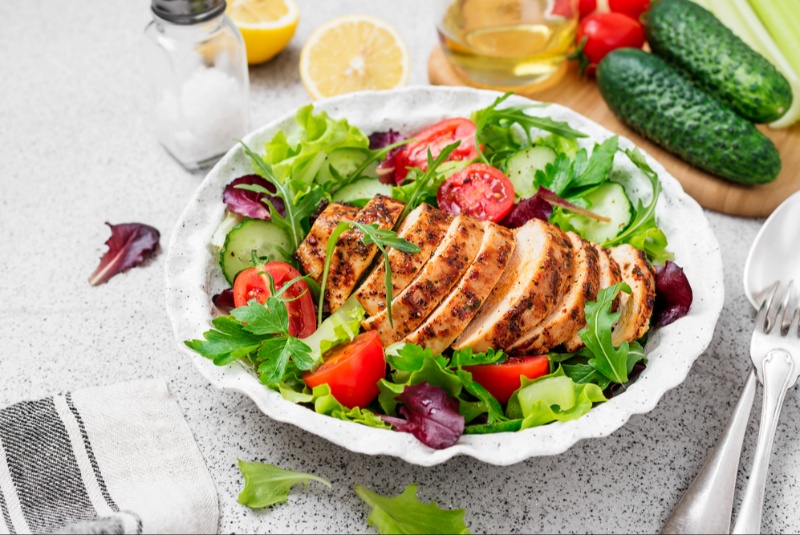
Include a protein source at every meal—chicken, fish, tofu, beans, eggs, or Greek yogurt. Aim for 0.7–1 gram per pound of body weight, depending on your activity level.
You’re Expecting Fast Results
Our culture sells quick fixes—detox teas, crash diets, “lose 10 pounds in a week” promises—but lasting change takes time. Real fat loss happens slowly and steadily.
If you’re improving your nutrition, sleeping better, and staying active but the scale isn’t moving, look for other signs of progress:
-
Clothes fitting differently.
-
Increased energy.
-
Better mood and digestion.
-
Improved strength and endurance.
The number on the scale can fluctuate daily due to water retention, hormones, or muscle gain. Trust the process, not just the short-term results.
You’re Overlooking Hidden Calories
Condiments, sauces, dressings, and snacks can sneak hundreds of calories into your day without notice.
Examples:
-
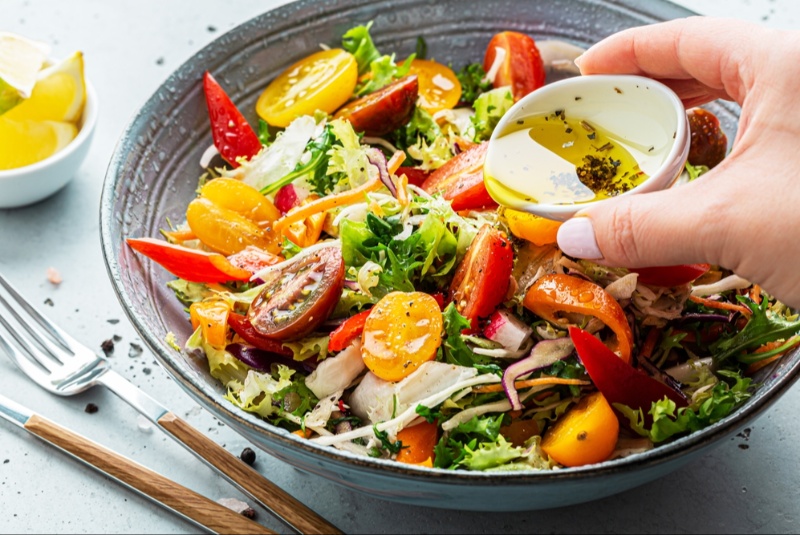
Two tablespoons of salad dressing can add 150 calories.
-
A “small” handful of chips often equals two servings.
-
Granola and cereal portions are rarely as small as listed.
The fix: Read labels and measure once in a while. Awareness—not obsession—helps you make informed choices.
You’re Not Being Consistent Enough
The biggest secret behind successful weight loss is consistency. Small efforts repeated daily outperform occasional perfection.
Ask yourself honestly:
-
Are you tracking weekends and social events?
-
Are you sleeping well and managing stress most days?
-
Are you giving new habits enough time to work?
Real change happens through consistency, not intensity. Stick with your plan for at least four to six weeks before judging results.
If you’re not losing weight despite your best efforts, the problem isn’t you—it’s likely your approach. Your body isn’t a machine; it responds to sleep, stress, hormones, and habits as much as to calories and exercise.
The real secret is balance. Eat whole foods, move daily, sleep well, and manage stress. Ditch the quick fixes, trust gradual progress, and remember that sustainable health is built one small, consistent choice at a time.
When you stop fighting your body and start working with it, the results will follow—slowly, naturally, and permanently.