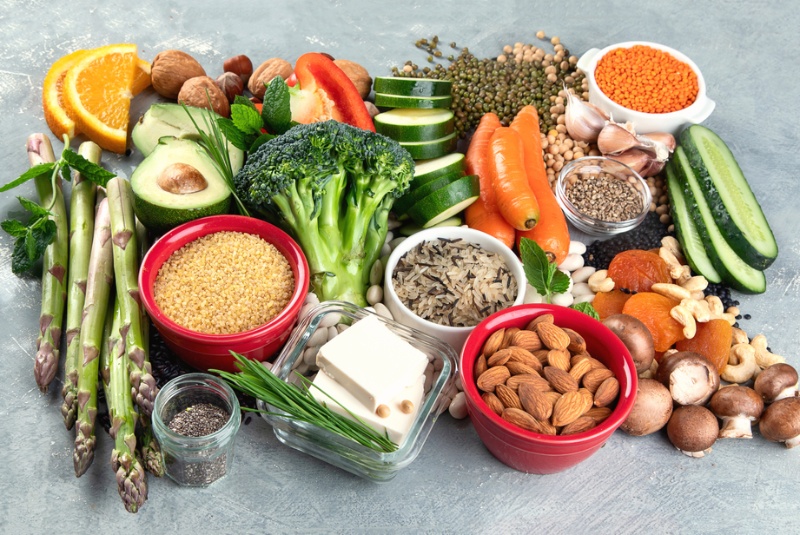

You finish your meal, feeling satisfied for a few moments—but then, not long after, the hunger pangs return. You’ve eaten enough, so why does your body act like you haven’t? Persistent hunger after eating is more common than you might think, and it often has less to do with willpower and more to do with biology, nutrition, and habits.
Understanding why you still feel hungry can help you make smarter food choices, balance your energy, and finally feel full and nourished after every meal.
You’re Not Eating Enough Protein
Protein is the most satiating macronutrient—it takes longer to digest and signals fullness hormones like peptide YY and GLP-1, which tell your brain you’re satisfied.
-
Skimping on protein—especially at breakfast or lunch—can leave you feeling hungry an hour later.
-
Carb-heavy meals like cereal, pasta, or toast give quick energy but fade fast.
-
Good sources: eggs, Greek yogurt, chicken, lentils, tofu, and fish.
-
Aim for balance: Include at least 20–30 grams of protein per main meal to stay full longer.
When you get enough protein, you stabilize blood sugar and curb the urge to keep snacking.
You’re Eating Too Fast
Eating quickly can short-circuit your body’s natural hunger signals.
-
It takes about 20 minutes for your brain to register fullness after you start eating.
-
Rushed meals lead to overeating—followed by lingering hunger because the body hasn’t had time to “catch up.”
-
Try mindful eating: Chew slowly, savor flavors, and pause between bites.
-
Put your utensils down between bites to slow your pace naturally.
Eating slower gives your digestive system time to communicate satisfaction, reducing the chance of post-meal cravings.
Your Meal Lacked Fiber
Fiber-rich foods are essential for long-lasting satiety. They slow digestion, regulate blood sugar, and add bulk without excess calories.
-
Low-fiber diets (like those heavy in refined carbs or processed snacks) leave you feeling empty soon after eating.
-
Best sources: oats, beans, lentils, fruits with skin, vegetables, and whole grains.
-
Aim for 25–30 grams of fiber daily for optimal fullness and gut health.
-
Combine fiber with protein and fat: A salad with grilled chicken and avocado will fill you longer than greens alone.
When you build meals around fiber, you’ll feel fuller for longer—naturally.
You’re Thirsty, Not Hungry
Dehydration can trick your body into thinking it’s hungry.
-
The brain’s signals for thirst and hunger are closely linked.
-
If you’re craving snacks soon after eating, drink a glass of water first.
-
Staying hydrated helps food digest properly and supports energy balance.
-
Try this tip: Drink water 15–20 minutes before meals—it often reduces overeating.
A hydrated body recognizes true hunger more accurately, helping you eat only when you need to.
Your Meals Are Missing Healthy Fats
Healthy fats keep you full because they digest slowly and support hormone regulation.
-
Low-fat meals can leave you feeling unsatisfied, even if calories are adequate.
-
Healthy fat sources: olive oil, avocado, nuts, seeds, and fatty fish like salmon.
-
Add small portions: A drizzle of olive oil or a spoonful of nut butter goes a long way.
-
Don’t fear fat: Balanced meals with moderate fat keep hunger hormones steady.
When you include healthy fats, you nourish your body and prevent blood sugar crashes that cause post-meal hunger.
You’re Not Getting Enough Sleep
Lack of sleep directly affects hunger hormones.
-
Ghrelin, which stimulates appetite, increases with sleep deprivation.
-
Leptin, the hormone that signals fullness, decreases.
-
You’ll crave high-carb, high-sugar foods for quick energy.
-
Prioritize 7–8 hours of sleep each night to balance your appetite naturally.
-
Consistent sleep schedules also stabilize metabolism and digestion.
Poor sleep doesn’t just make you tired—it makes you hungrier, too.
Your Blood Sugar Is Spiking and Crashing
Meals loaded with refined carbohydrates cause rapid blood sugar spikes, followed by steep drops that trigger hunger again.
-
White bread, pastries, and sugary cereals cause quick highs and lows in blood sugar.
-
Balanced meals with protein, fat, and fiber keep glucose levels steady.
-
Add pairings: Combine carbs with protein—like fruit with yogurt or toast with peanut butter.
-
Watch beverage sugars: Sweet drinks can cause the same roller coaster effect.
Steady blood sugar means fewer cravings and a more satisfied, stable appetite.
You’re Stressed or Emotional
Hunger isn’t always physical—it can be emotional.
-
Stress eating triggers cortisol, a hormone that increases appetite for comfort foods.
-
Emotional hunger strikes suddenly and craves specific foods (usually sweet or salty).
-
Check in with yourself: Are you bored, anxious, or genuinely hungry?
-
Healthier coping strategies: Take a walk, breathe deeply, or journal instead of reaching for snacks.
-
Keep balanced meals: Emotional eating hits harder when your body’s nutrients are off balance.
Recognizing emotional hunger helps you respond with awareness, not automatic eating.
You’re Distracted While Eating
When your attention is on a screen instead of your plate, your brain doesn’t register how much you’ve eaten.
-
Multitasking meals (like eating while watching TV or scrolling) disconnect you from hunger cues.
-
You end up eating more but feeling less satisfied.
-
Designate meal time: Sit at a table, remove distractions, and focus on enjoying your food.
-
Engage your senses: Smell, taste, and texture awareness enhance satisfaction.
Mindful eating isn’t about eating less—it’s about feeling truly satisfied with what you do eat.
You Have a Nutrient Imbalance
Sometimes, constant hunger is your body’s way of signaling missing nutrients.
-
Iron, magnesium, and vitamin B deficiencies can affect appetite and energy.
-
Unbalanced diets—especially those that cut out food groups—can trigger cravings.
-
Eat a variety: Include lean meats, leafy greens, nuts, seeds, and whole grains.
-
Consider a check-up: If hunger persists despite balanced eating, a simple blood test can help identify deficiencies.
Fueling your body properly ensures your hunger cues are driven by true need, not nutritional gaps.
You’ve Trained Your Appetite Over Time
If you habitually snack late at night or eat on autopilot, your body learns those patterns—even if it doesn’t need the extra calories.
-
Routine cravings: Your body expects food at habitual times, not necessarily when it’s hungry.
-
Reset slowly: Delay snacks by 10–15 minutes to retrain your hunger signals.
-
Use portion awareness: Serve smaller portions and eat until comfortably full.
-
Stay consistent: It takes a few weeks to break learned hunger cycles.
Training your hunger responses back to natural rhythms can dramatically reduce unnecessary eating.
If you’re constantly hungry after meals, your body isn’t betraying you—it’s communicating. Hunger often stems from missing nutrients, poor sleep, dehydration, or emotional habits, not lack of willpower. The key is balance: meals with protein, fiber, and healthy fats; mindful eating; and consistent sleep all work together to restore true satisfaction.
By tuning into your body’s real signals and making small, lasting adjustments, you can break the cycle of endless hunger—and finally feel full, energized, and at peace with your plate.