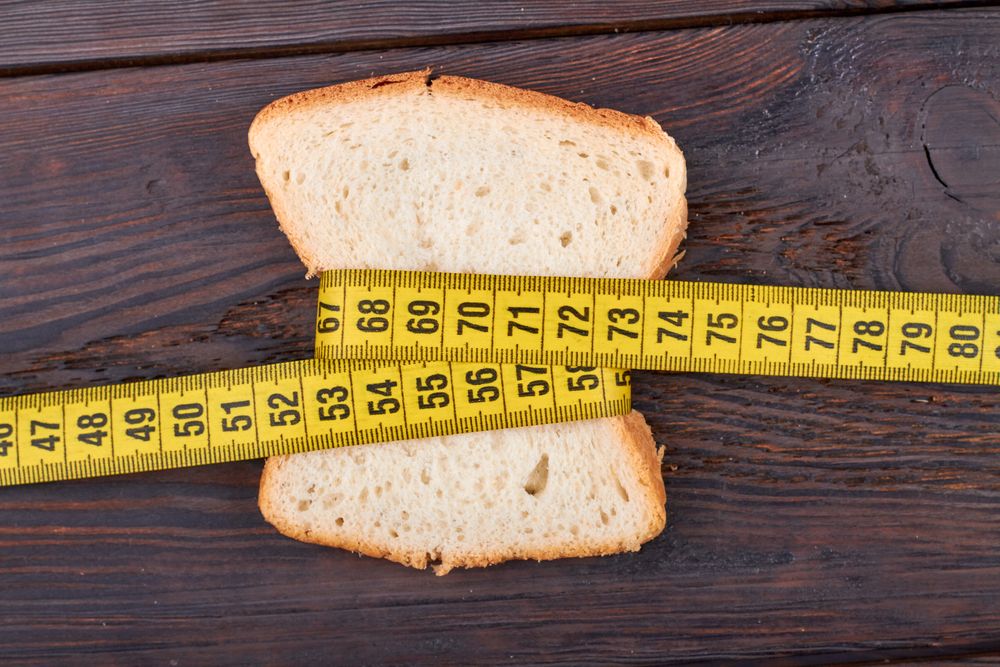

Walk into any pharmacy or browse online for “weight loss help,” and you’ll be greeted by hundreds of pills, powders, and supplements promising fast results. Each one claims to melt fat, boost metabolism, or curb appetite—often with dramatic before-and-after photos to seal the deal. But the reality behind these products is far more complicated. While some may have limited benefits, many come with side effects, unverified claims, and false expectations. Understanding what’s real, what’s hype, and what’s potentially harmful is essential for anyone looking to lose weight safely and sustainably.
What Weight Loss Pills Actually Do
Weight loss pills generally work in one or more of the following ways:
-
Appetite suppression: Reducing hunger signals to help you eat less.
-
Fat absorption blocking: Preventing the body from absorbing some of the fat you eat.
-
Metabolism boosting: Increasing calorie burn through stimulants or thermogenic ingredients.
-
Water loss: Causing temporary weight reduction through diuretics.
While these mechanisms can support short-term results, they rarely address the root causes of weight gain—like diet quality, activity level, and lifestyle habits. Most experts agree that pills should only be used alongside healthy eating and exercise, not as replacements.
The Difference Between Prescription and Over-the-Counter Pills
Not all weight loss pills are created equal. There’s a significant difference between FDA-approved prescription medications and over-the-counter (OTC) supplements.
-
Prescription options: These are regulated and tested for safety and effectiveness. Examples include orlistat (Alli, Xenical), phentermine, and newer medications like semaglutide (Wegovy). They are prescribed for individuals who meet certain medical criteria.
-
Over-the-counter supplements: These are not strictly regulated. Manufacturers aren’t required to prove that their products work—or even that they’re safe—before selling them.
That lack of oversight means OTC supplements can vary widely in quality and purity. Some even contain hidden or banned ingredients that pose serious health risks.
The Risks Behind “Natural” and Herbal Pills
The label “natural” doesn’t always mean “safe.” Many herbal or botanical weight loss pills include ingredients that may cause dangerous side effects or interact with medications.
-
Green tea extract: Often marketed as a metabolism booster, but in high doses it can damage the liver.
-
Bitter orange (synephrine): A stimulant that can raise blood pressure and heart rate.
-
Garcinia cambogia: Popularized as a fat blocker, yet evidence of its effectiveness is weak, and it can cause digestive issues.
-
“Proprietary blends”: Many supplement labels list vague ingredient mixes with undisclosed quantities—an immediate red flag.
Even natural products can harm your body if used incorrectly or excessively. Always research ingredients and talk to a healthcare professional before trying any supplement.
Why Most Pills Fail Long-Term
Even when a pill helps you lose weight, the results often don’t last. Here’s why:
-
Temporary effects: Many pills work by reducing appetite or increasing water loss, which stops once you stop taking them.
-
Metabolic adaptation: Your body adjusts to reduced calorie intake, slowing metabolism over time.
-
Lack of lifestyle changes: Without permanent adjustments to diet and activity, weight often returns quickly.
-
Psychological dependency: Relying on pills for progress can make it harder to develop sustainable habits.
Long-term success depends more on consistent habits—balanced nutrition, portion control, and physical activity—than any supplement on the market.
Red Flags to Watch Out For
Some weight loss pill companies rely on misleading marketing tactics to make their products sound more effective than they are.
Be wary of:
-
“Lose 10 pounds in a week” claims: Rapid weight loss is rarely healthy or sustainable.
-
Celebrity or influencer endorsements: Many are paid promotions, not real success stories.
-
No scientific references: If a product can’t cite peer-reviewed studies, its claims likely don’t hold up.
-
“Clinically proven” labels: Often based on small, poorly designed studies.
-
International or unknown brands: Some have been found to include unlisted drugs or stimulants.
A legitimate product should be transparent about ingredients, backed by real science, and supported by medical professionals.
The Role of Prescription Medications
For some people, prescription weight loss medications can be beneficial—especially when obesity poses serious health risks.
-
They’re medically supervised: Doctors monitor side effects, dosage, and overall progress.
-
They work best with lifestyle changes: These drugs are most effective when paired with nutrition counseling and exercise.
-
They’re designed for safety: FDA-approved medications go through rigorous testing.
However, even with prescriptions, pills are not magic solutions. They help initiate weight loss but maintaining it still requires commitment to healthy living.
Safer, More Sustainable Alternatives
If you’re seeking weight loss that lasts, there are safer and more effective paths than relying solely on pills.
-
Focus on whole foods: Prioritize lean proteins, fruits, vegetables, and whole grains.
-
Build balanced meals: Pairing fiber and protein helps control hunger naturally.
-
Move daily: Even moderate exercise—like walking 30 minutes a day—can boost metabolism and mood.
-
Sleep and stress management: Poor sleep and chronic stress can sabotage weight goals.
-
Seek professional support: Registered dietitians and doctors can help tailor a plan that works for you.
These habits build long-term health improvements that no pill can replicate.
What Science Really Says
Research consistently shows that most over-the-counter weight loss supplements have limited or no measurable effect on long-term fat reduction. Some may provide mild short-term benefits, but the differences are often small—sometimes only a few pounds more than a placebo.
Meanwhile, many studies highlight the risks of unregulated ingredients. In the U.S., the FDA has issued multiple recalls for supplements containing undeclared pharmaceuticals, including stimulants and antidepressants. That means some products marketed as “safe” can actually be harmful.
In short: the science says there’s no miracle pill. Real, lasting weight loss still comes down to consistent, evidence-based habits.
Common Mistakes to Avoid
-
Taking multiple supplements at once: Can increase side effects and interactions.
-
Skipping meals because of pills: Leads to nutrient deficiencies and rebound hunger.
-
Ignoring side effects: Headaches, nausea, and heart palpitations are warning signs.
-
Buying from unverified websites: Counterfeit supplements are common online.
-
Expecting instant results: Healthy weight loss is gradual—about 1 to 2 pounds per week.
Avoiding these mistakes protects your health and prevents wasted money on products that don’t deliver.
The truth about weight loss pills is that there’s no shortcut to lasting results. While some prescription medications can help in specific medical cases, most over-the-counter options fall short—or worse, pose health risks. Real progress comes from patience, consistency, and lifestyle changes that nourish both your body and mind. Before spending money on any pill that promises dramatic transformation, remember: sustainable weight loss doesn’t come from a bottle. It comes from balanced choices, daily habits, and a commitment to long-term well-being.