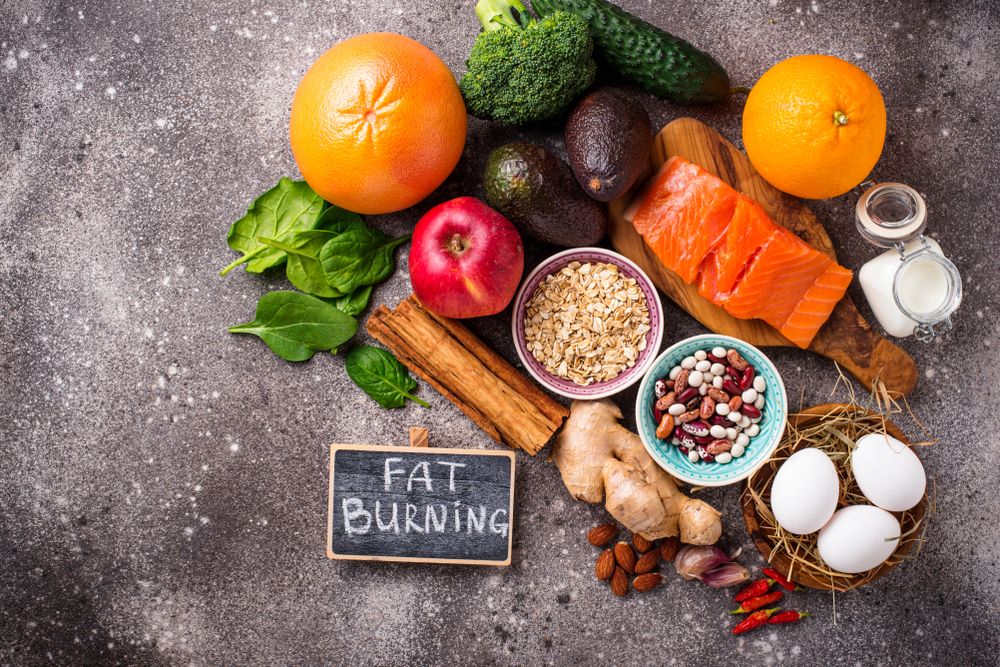
When it comes to weight loss, exercise often gets the spotlight. But what you eat plays just as important a role—sometimes even more. The right foods not only fuel your body but also rev up your metabolism, control hunger, and encourage your body to burn fat more efficiently. While there’s no single “magic food” that melts pounds away, consistently choosing nutrient-dense, metabolism-boosting options can help tip the scales in your favor.
Protein-Packed Foods That Fuel Fat Loss
Protein is the foundation of any fat-burning diet. It helps you feel fuller for longer, reduces cravings, and supports muscle maintenance—which is crucial because muscle burns more calories at rest than fat.
Great protein choices:
-
Lean meats: Chicken, turkey, and lean cuts of beef.
-
Fish: Salmon, tuna, and mackerel provide protein plus healthy fats.
-
Eggs: A nutrient powerhouse rich in protein and vitamins.
-
Plant-based proteins: Lentils, chickpeas, quinoa, and tofu.
Tip: Include protein at every meal to stabilize blood sugar and boost satiety.
Healthy Fats That Support Fat Burning
It may sound contradictory, but eating the right fats can help you lose fat. Healthy fats slow digestion, keeping you full, while supporting hormone regulation linked to metabolism.
Fat-burning fat sources:
-
Avocados: Rich in monounsaturated fats and fiber.
-
Nuts and seeds: Almonds, chia seeds, and flaxseeds keep you satisfied.
-
Olive oil: A heart-healthy staple of the Mediterranean diet.
-
Fatty fish: Omega-3s in salmon and sardines reduce inflammation and improve fat metabolism.
Tip: Stick to moderate portions—healthy fats are calorie-dense, so small amounts go a long way.
Fiber-Rich Foods to Control Hunger
Fiber adds bulk to meals without adding calories, helping you feel full and satisfied. High-fiber diets are linked to reduced body fat and improved digestion.
Great fiber sources:
-
Vegetables: Broccoli, leafy greens, carrots, and Brussels sprouts.
-
Fruits: Apples, berries, pears, and oranges.
-
Whole grains: Oats, brown rice, barley, and whole wheat.
-
Legumes: Beans, peas, and lentils for a double punch of fiber and protein.
Tip: Aim for a mix of soluble fiber (which slows digestion) and insoluble fiber (which supports gut health).
Metabolism-Boosting Foods
Some foods provide an extra edge by slightly raising metabolism and encouraging fat oxidation.
-
Green tea: Contains catechins and caffeine that help increase calorie burning.
-
Coffee: A moderate caffeine boost can enhance fat breakdown and exercise performance.
-
Chili peppers: Capsaicin gives them their heat and can temporarily raise metabolism.
-
Apple cider vinegar: May help regulate blood sugar and appetite.
Tip: These foods aren’t miracles, but when paired with balanced meals, they give your metabolism a gentle push.
Smart Carbs That Support Energy and Fat Loss
Carbohydrates are often blamed for weight gain, but the right types of carbs provide energy and support fat loss when eaten in moderation.
Good carb choices:
-
Sweet potatoes: Packed with fiber and vitamins.
-
Quinoa: A complete protein and slow-digesting carb.
-
Brown rice: A fiber-rich staple that keeps you full.
-
Fruit: Natural sugars plus vitamins and antioxidants.
Tip: Choose whole, unprocessed carbs over refined ones to keep energy steady and avoid fat storage spikes from insulin.
Hydration and Its Role in Fat Burning
Water plays a critical role in fat metabolism. When you’re dehydrated, your body’s ability to burn fat is reduced. Drinking water before meals may also help control calorie intake.
Fat-burning hydration strategies:
-
Drink a glass of water before meals to support appetite control.
-
Replace sugary drinks with water, sparkling water, or unsweetened tea.
-
Infuse water with lemon, cucumber, or berries for extra flavor.
Foods That Help Balance Hormones
Hormones play a big role in fat storage and hunger signals. Eating nutrient-dense foods can help regulate hormones like insulin, cortisol, and leptin.
-
Leafy greens: Packed with antioxidants to fight inflammation.
-
Whole grains: Help regulate blood sugar and insulin sensitivity.
-
Fermented foods: Yogurt, kefir, and kimchi support gut health, which influences metabolism and appetite.
-
Berries: Rich in antioxidants and fiber, helping reduce sugar cravings.
Common Mistakes That Stall Fat Loss
Even when focusing on the right foods, certain habits can hinder results:
-
Relying too heavily on “diet” foods: Many are processed and packed with hidden sugars.
-
Skipping meals: Leads to overeating later in the day.
-
Forgetting portion control: Even healthy foods can stall fat loss in excessive amounts.
-
Cutting out entire food groups: Restrictive diets are hard to maintain and may slow metabolism.
Building a Fat-Burning Meal Plan
The best fat-burning diet is one that’s balanced, sustainable, and fits your lifestyle. A day might look like this:
-
Breakfast: Omelet with spinach and avocado.
-
Snack: Greek yogurt with berries and chia seeds.
-
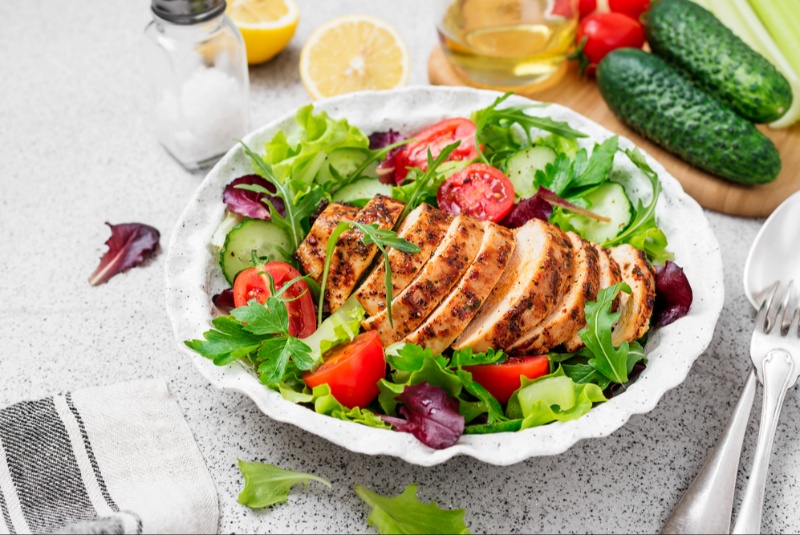
Lunch: Grilled chicken with quinoa and roasted vegetables.
-
Snack: A handful of almonds and green tea.
-
Dinner: Salmon with sweet potato and steamed broccoli.
This type of plan combines protein, healthy fats, fiber, and metabolism-boosting foods in every meal.
Burning fat efficiently isn’t about fad diets or extreme restrictions—it’s about choosing foods that work with your body. By focusing on lean proteins, healthy fats, fiber-rich vegetables, and metabolism-boosting ingredients, you create an eating plan that supports both fat loss and long-term health. Combine these choices with smart hydration and portion control, and your body will become a more effective fat-burning machine.