
Dieting is often framed as a matter of willpower, but one of the biggest challenges isn’t resisting dessert — it’s managing hunger. When you reduce calories, your body naturally responds with signals urging you to eat more. Left unchecked, hunger can derail even the most carefully planned diet. The good news is that there are proven strategies to manage hunger in a way that supports weight loss while keeping you satisfied and energized.
Understand Why Hunger Happens
Hunger while dieting is normal and doesn’t necessarily mean something is wrong with your plan. Cutting calories reduces the energy available to your body, and hormones like ghrelin rise to encourage eating. Emotional cues, habits, and boredom can also mimic hunger. By recognizing the different types of hunger — physical versus psychological — you can respond more effectively. True physical hunger builds gradually and is relieved by food, while emotional hunger comes on suddenly and often leads to cravings for specific comfort foods.
Focus on Protein-Rich Foods
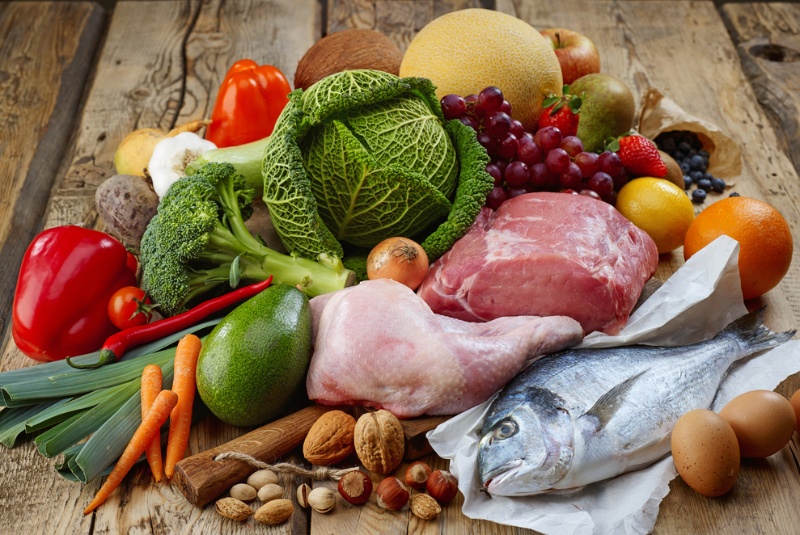
Protein is the most filling macronutrient and plays a critical role in managing hunger. Eating enough protein helps regulate appetite hormones, reduces cravings, and keeps you satisfied for longer. Aim to include a source of lean protein with every meal: chicken, fish, eggs, beans, tofu, or Greek yogurt. High-protein snacks like hard-boiled eggs or cottage cheese can also bridge the gap between meals without adding excessive calories.
Add Fiber for Lasting Fullness
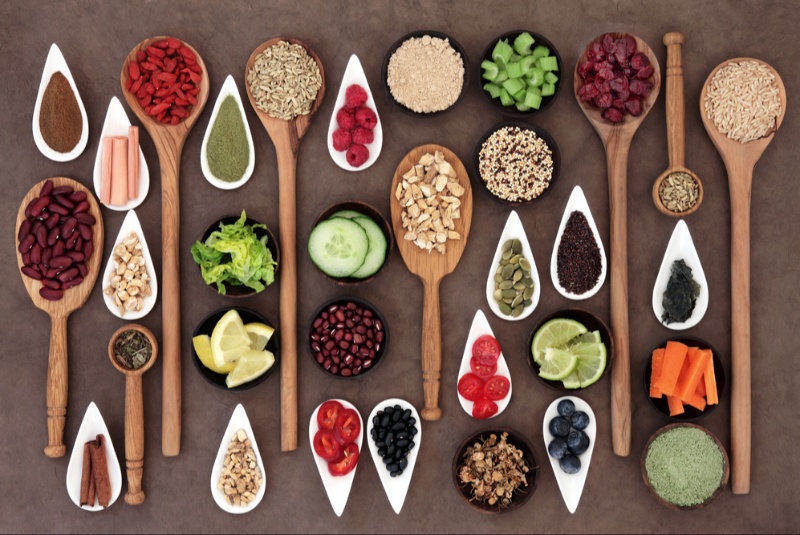
Fiber slows digestion, stabilizes blood sugar, and helps you feel fuller for longer. Vegetables, fruits, whole grains, legumes, and seeds are excellent sources. Meals rich in fiber take longer to digest, which helps prevent the rapid hunger spikes that often follow high-sugar or processed foods. For example, a salad with beans, quinoa, and vegetables offers both volume and staying power compared to a small sandwich made with refined bread.
Don’t Skimp on Healthy Fats
Dieters sometimes avoid fats entirely, but healthy fats are essential for satiety. Foods like avocados, nuts, olive oil, and fatty fish provide satisfaction and flavor, helping to reduce overeating later. Since fats are calorie-dense, portion control matters, but including moderate amounts ensures your meals are satisfying and hunger doesn’t return too quickly.
Eat Regularly to Avoid Crashes
Skipping meals in an attempt to cut calories often backfires, leading to intense hunger and overeating later. Instead, plan balanced meals and snacks throughout the day to keep energy steady. For many people, three main meals with one or two snacks works well. Listening to your body’s cues and eating before you’re overly hungry helps maintain control and prevents binge eating.
Stay Hydrated
Thirst is frequently mistaken for hunger. Drinking enough water throughout the day can reduce false hunger signals and support digestion. Aim for at least eight glasses of water daily, more if you’re active. Herbal teas, sparkling water, or water infused with fruit are good low-calorie options to add variety. Starting meals with a glass of water can also help you feel fuller and reduce the risk of overeating.
Use Low-Calorie, High-Volume Foods
One of the simplest tricks for handling hunger is filling your plate with low-calorie, high-volume foods. Leafy greens, cucumbers, zucchini, watermelon, and broth-based soups allow you to eat larger portions without consuming too many calories. This approach provides psychological satisfaction by letting you eat more food while still staying within your calorie goals.
Practice Mindful Eating
Often, hunger is amplified by distractions. Eating quickly or while multitasking can lead to consuming more without feeling satisfied. Mindful eating — slowing down, savoring flavors, and paying attention to fullness cues — helps you enjoy your meals more and prevents overeating. Put away your phone or computer during meals, chew slowly, and check in with your hunger levels halfway through eating.
Manage Cravings Without Guilt
Cravings are inevitable, but how you handle them makes the difference. Restricting foods completely often increases desire and can lead to bingeing. Instead, practice moderation. Allow small portions of your favorite foods occasionally within your calorie budget. Sometimes a healthier swap works just as well — dark chocolate instead of milk chocolate, or air-popped popcorn instead of chips. Learning to satisfy cravings in controlled amounts helps you stay on track long-term.
Prioritize Sleep and Stress Management
Sleep and stress directly affect hunger hormones. Lack of sleep raises ghrelin (the hunger hormone) and lowers leptin (the fullness hormone), making you feel hungrier and less satisfied after meals. Stress can also trigger emotional eating. Aim for seven to nine hours of quality sleep each night and use stress-management techniques like exercise, meditation, or journaling. Addressing these lifestyle factors helps reduce unnecessary hunger and cravings.
Plan and Prepare Meals
Meal planning takes the guesswork out of dieting and ensures you always have satisfying options on hand. Preparing balanced meals and snacks ahead of time prevents last-minute choices that often lead to overeating or grabbing fast food. Knowing what you’ll eat each day also reduces anxiety around food and helps you stay consistent with your calorie goals.
When Hunger Persists
If you constantly feel hungry despite following these strategies, it may be worth reevaluating your calorie goals. Extremely low-calorie diets are hard to maintain and can be counterproductive. Aim for a moderate calorie deficit that supports gradual weight loss while still providing energy for daily activities. Consulting a registered dietitian can help ensure your plan is both effective and sustainable.
Hunger is a natural part of dieting, but it doesn’t have to control your journey. By focusing on protein, fiber, healthy fats, hydration, and mindful habits, you can manage hunger in ways that support weight loss without feeling deprived. Pairing smart food choices with sleep, stress management, and preparation ensures your diet is sustainable and effective. The key isn’t eliminating hunger entirely, but learning to manage it so that it works with your goals instead of against them.