
When people think of losing weight, their first thought is often gym memberships, workout routines, and hours of sweating through cardio. While physical activity is an important part of a healthy lifestyle, it isn’t the only factor in weight loss. In fact, research shows that diet, sleep, stress, and lifestyle choices play an even bigger role in managing body weight.
For those with busy schedules, health limitations, or a dislike of structured exercise, there’s good news: it’s possible to lose weight without relying on workouts. By making thoughtful changes to daily habits, you can reduce calories, improve metabolism, and see real results. Here are five proven ways to shed pounds without exercise.
1. Focus on Portion Control
Eating less doesn’t have to mean strict calorie counting. Portion control is one of the simplest and most effective tools for weight management. It helps reduce calorie intake naturally, without the feeling of deprivation.
Practical strategies include:
-
Use smaller plates and bowls. Studies show that people tend to eat less when using smaller dishes because it tricks the brain into thinking the portion is larger.
-
Pre-portion snacks. Instead of eating straight from a bag of chips or cookies, divide them into single servings. This prevents mindless overeating.
-
Listen to hunger cues. Pause halfway through a meal to assess whether you’re satisfied rather than stuffed.
Portion control also allows you to enjoy your favorite foods in moderation, making it a sustainable strategy. Over time, consistent portion awareness can lead to steady, long-term weight loss.
2. Choose High-Protein and High-Fiber Foods
What you eat is just as important as how much you eat. Protein and fiber are two nutrients that play powerful roles in reducing hunger and controlling weight.
-
Protein keeps you feeling full for longer, curbs cravings, and helps preserve lean muscle while losing fat. Great sources include eggs, chicken, fish, beans, lentils, tofu, and Greek yogurt.
-
Fiber slows down digestion, stabilizes blood sugar, and keeps you satisfied. Whole grains, fruits, vegetables, nuts, and legumes are excellent fiber-rich foods.
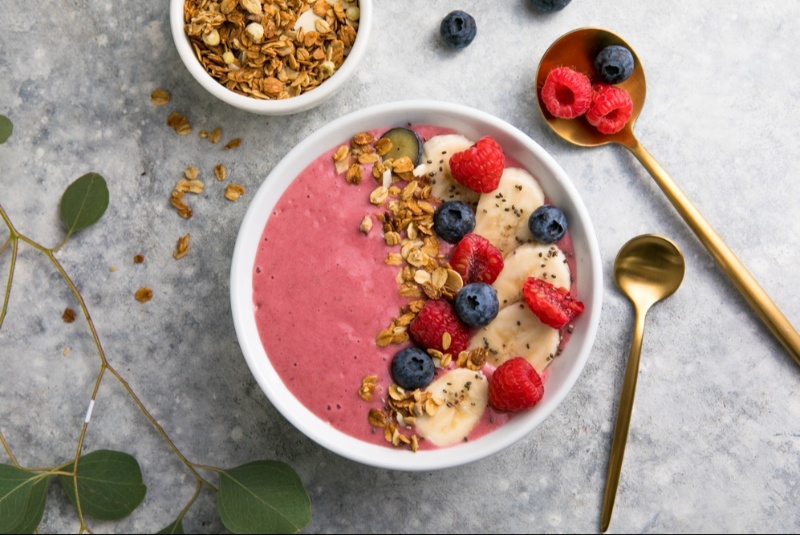
Example: Replacing a bowl of sugary cereal with oatmeal topped with berries and nuts provides both protein and fiber. Not only will you feel fuller, but you’ll also reduce the urge to snack mid-morning.
By prioritizing these foods at every meal, you’ll naturally eat fewer calories throughout the day without the need for exercise-driven calorie burn.
3. Reduce Sugar and Processed Foods
One of the fastest ways to cut calories without exercise is to reduce added sugars and processed foods. These items often pack high calorie counts with little nutritional value. Sugary drinks, pastries, candy, fast food, and packaged snacks contribute to weight gain because they spike blood sugar, increase cravings, and rarely leave you feeling full.
Smart swaps include:
-
Choose sparkling water or unsweetened tea instead of soda.
-
Reach for fresh fruit instead of candy when sugar cravings hit.
-
Replace processed snacks with whole food options like nuts, seeds, or plain popcorn.
Even small changes add up. Cutting out just one can of soda per day eliminates over 30 pounds of sugar consumption in a year. Reducing processed foods not only helps with weight loss but also improves energy and overall health.
4. Prioritize Sleep and Stress Management
It might not seem obvious, but your sleep patterns and stress levels directly affect weight. When you don’t get enough sleep, hormones that regulate appetite are disrupted — ghrelin (the hunger hormone) increases, while leptin (the fullness hormone) decreases. This leads to stronger cravings, particularly for high-calorie comfort foods.
Chronic stress has a similar effect, raising cortisol levels that encourage fat storage, especially around the abdomen. Stress also triggers emotional eating, which adds unnecessary calories.
Tips for better sleep and stress balance:
-
Aim for 7–9 hours of quality sleep per night. Stick to a consistent bedtime routine.
-
Practice relaxation techniques like meditation, journaling, or deep breathing.
-
Unplug from screens at least 30 minutes before bed to improve sleep quality.
-
Consider gentle activities like stretching or walking in nature, which reduce stress without feeling like structured exercise.
By improving sleep and lowering stress, your body regulates hunger hormones more effectively, making weight loss easier and more natural.
5. Stay Hydrated and Practice Mindful Eating
Hydration is often overlooked in weight management, but it plays a powerful role. Thirst is frequently mistaken for hunger, leading to unnecessary snacking. Drinking enough water helps control appetite and supports metabolism.
Hydration and mindful eating hacks:
-
Drink a glass of water before meals. This helps you feel fuller and reduces calorie intake.
-
Replace sugary drinks with water, herbal tea, or black coffee.
-
Slow down during meals. Take time to chew thoroughly and savor flavors. Eating mindfully helps you recognize when you’re full before overeating.
-
Avoid eating in front of screens — distractions make it easy to consume more than you realize.
Even small adjustments, like replacing two sugary beverages with water daily, can save hundreds of calories per week, leading to sustainable weight loss over time.
Putting It All Together
Losing weight without exercise doesn’t mean sitting back and waiting for results — it means focusing on the lifestyle factors that matter most. Portion control reduces overall calorie intake, protein and fiber keep you full, cutting sugar eliminates empty calories, better sleep balances hormones, and mindful hydration prevents overeating.
Together, these strategies create a holistic approach that doesn’t rely on gym memberships or workout routines. They are sustainable, accessible to almost anyone, and proven to work over time.
Exercise is an important part of overall health, but it isn’t a requirement for weight loss. By making intentional changes in your diet, habits, and lifestyle, you can create a calorie deficit and improve your well-being without setting foot in a gym. The five strategies — portion control, protein and fiber, reducing processed foods, prioritizing sleep and stress management, and practicing mindful hydration — provide a foundation for long-term success.
The key to weight loss without exercise is consistency. Small, sustainable changes practiced daily build powerful results over time. By focusing on these habits, you’ll discover that losing weight is less about working harder and more about living smarter.